

EnijiLending

Eniji Capital Markets

Commercial real estate debt, arranged with discipline.

We arrange bridge, construction, data center and structured financing from $10M to $250M+ for sponsors, developers and real estate funds. We are not a lender. We are your advisor in a competitive process among the lenders most likely to want your deal — and we are paid only when it closes.

No upfront fees. We are paid at closing.

Our position

Between your business plan and the right balance sheet.

The lending market for commercial real estate is broad but fragmented. A bank may decline a deal that a debt fund would compete for. A life insurance company may offer the lowest cost of capital on a stabilized asset but have no interest in lease-up. A private credit fund may move quickly on a complex recapitalization that a CMBS lender would never touch.

Our job is to understand your deal well enough to know which of those doors to knock on, to present it the way each lender needs to see it, and to keep the process competitive until you have terms you can close on.

Lender categories we work with

  • Debt funds
  • Banks
  • Life insurance companies
  • CMBS lenders
  • Private credit funds

We do not publish the names of individual lenders. Lender participation depends on the deal and is never guaranteed.

Value-add · Lease-up · Recapitalization

Bridge loans

Short-term senior debt for assets in transition — where today's cash flow does not yet support the permanent loan your business plan is working toward. Multifamily, industrial, hospitality, mixed-use, retail and self-storage.

A modern apartment building with glass balconies reflecting a soft evening sky.
Photo: Tobias Wilden / Unsplash

Who it’s for

  • Sponsors acquiring an asset with a defined renovation, re-tenanting or repositioning plan
  • Owners in lease-up after construction or a major renovation
  • Borrowers facing a loan maturity, partner buyout or recapitalization
  • Funds that need speed or certainty of execution a bank cannot offer

Typical use cases

  • Acquisition financing with future funding for capital expenditure and leasing costs
  • Refinance of a maturing construction or bridge loan while the property leases up
  • Recapitalization or cash-out to return equity or bring in a new partner
  • Bridge-to-agency or bridge-to-permanent strategies

Indicative parameters

Indicative, varies by lender
Loan size
$10M – $250M+
Leverage
Commonly up to 65–75% of as-is value, or up to 75–80% of total cost including future funding
Term
12–36 months, often with extension options
Structure
Typically floating-rate and interest-only, with future funding for capex and leasing
Recourse
Often non-recourse with standard carve-outs; partial recourse may apply to riskier plans

Indicative only, varies by lender. All figures are general market ranges, not quotes, offers or commitments. Actual terms depend on the asset, sponsor, market and lender underwriting.

What lenders look for

  • A specific, credible business plan with a realistic budget and timeline
  • Sponsor experience with the asset type and the strategy
  • A clear exit — refinance or sale — supported by market evidence
  • Sponsor liquidity and net worth relative to the loan amount
  • A sensible basis compared with replacement cost and comparable sales

Documents we need

  • Executive summary and business plan
  • Purchase contract, or current loan documents for a refinance
  • Trailing 12-month operating statement (T-12)
  • Current rent roll (STR reports for hotels)
  • Capital expenditure budget and schedule
  • Pro forma with stated assumptions
  • Sponsor resume, schedule of real estate owned and personal financial statement

Don’t have everything yet? Submit what you have and we will tell you what matters most.

Ground-up · Heavy renovation · Senior and stretch senior

Construction loans

Senior and stretch senior financing for ground-up development and heavy renovation, structured around your budget, your schedule and the point at which the project stabilizes.
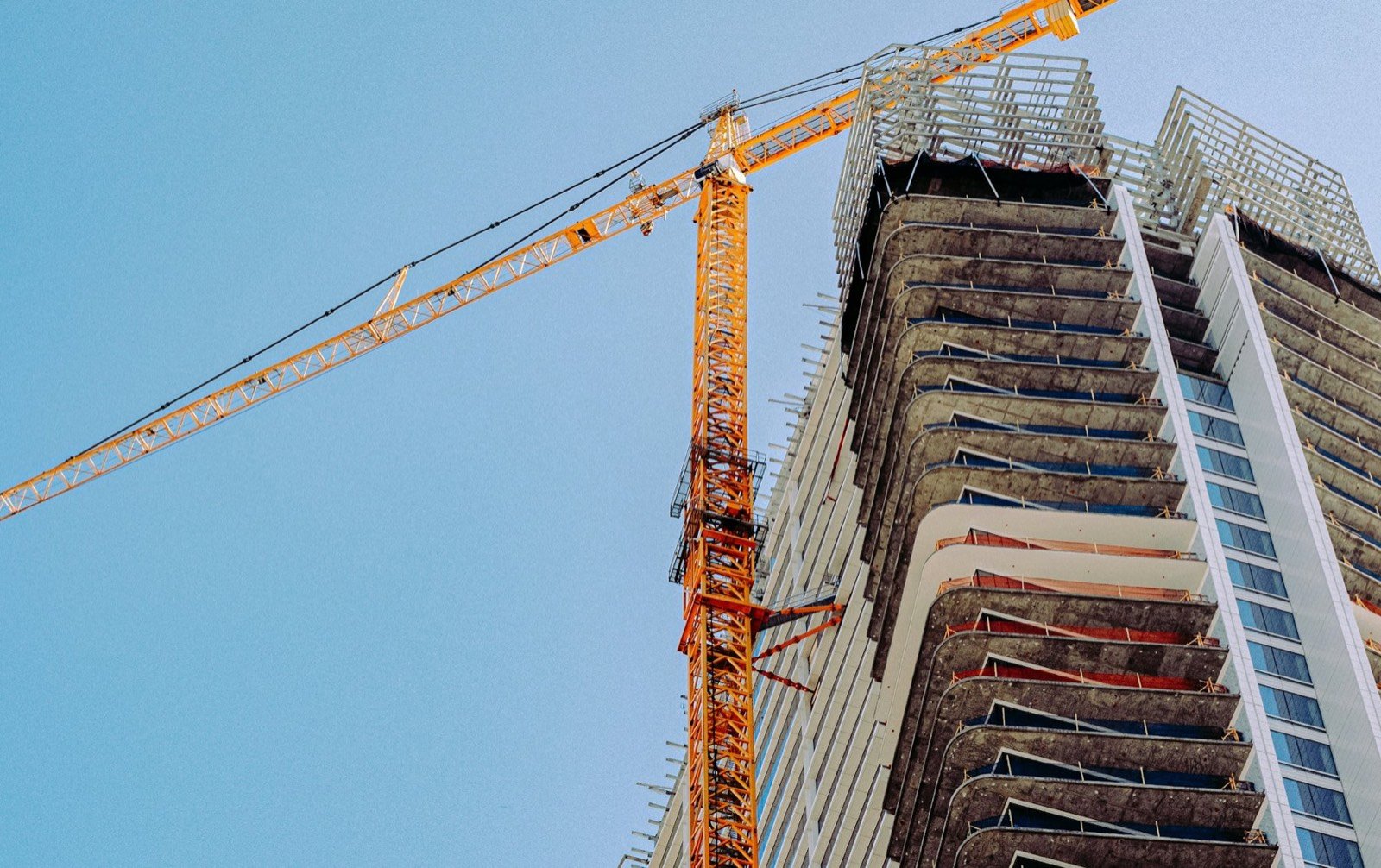
A tower crane working above a residential high-rise under construction.
Photo: Frames For Your Heart / Unsplash

Who it’s for

  • Developers with entitled or near-entitled sites
  • Sponsors undertaking gut renovation or adaptive reuse
  • Funds and joint ventures building to hold or to sell
  • Owners recapitalizing a stalled project with a new capital stack

Typical use cases

  • Ground-up multifamily, industrial, hospitality and mixed-use development
  • Heavy renovation, conversion and adaptive reuse
  • Converting a land or pre-development loan into a construction loan
  • Stretch senior financing to reduce the size of the equity check

Indicative parameters

Indicative, varies by lender
Loan size
$10M – $250M+
Senior leverage
Commonly up to 55–65% of total cost
Stretch senior leverage
Commonly up to 70–80% of total cost, at higher pricing and with closer scrutiny
Term
Commonly 24–48 months including extensions, tied to the construction and lease-up schedule
Structure
Interest-only, drawn against completed work, usually with a budgeted interest reserve
Recourse
Completion and carry guarantees are common; repayment guarantees vary by lender

Indicative only, varies by lender. All figures are general market ranges, not quotes, offers or commitments. Actual terms depend on the asset, sponsor, market and lender underwriting.

What lenders look for

  • Entitlements and permits in place, or a clear path to them
  • A guaranteed maximum price (GMP) or fixed-price contract with an experienced general contractor
  • A complete hard- and soft-cost budget with appropriate contingency
  • Development track record of the sponsor and the wider team
  • Sponsor equity committed ahead of loan funding
  • Market and absorption evidence supporting the stabilized value and the take-out

Documents we need

  • Plans, specifications and site plan
  • Hard- and soft-cost budget
  • General contractor contract and contractor resume
  • Entitlement and permit status
  • Construction and lease-up schedule
  • Pro forma, sources and uses
  • Market study or appraisal, if available
  • Sponsor resume, schedule of real estate owned and personal financial statement

Don’t have everything yet? Submit what you have and we will tell you what matters most.

Pre-development · Land · Construction

Data center & powered land

Debt for the earliest and most capital-intensive stages of digital infrastructure: acquiring and entitling land, securing power and building facilities.
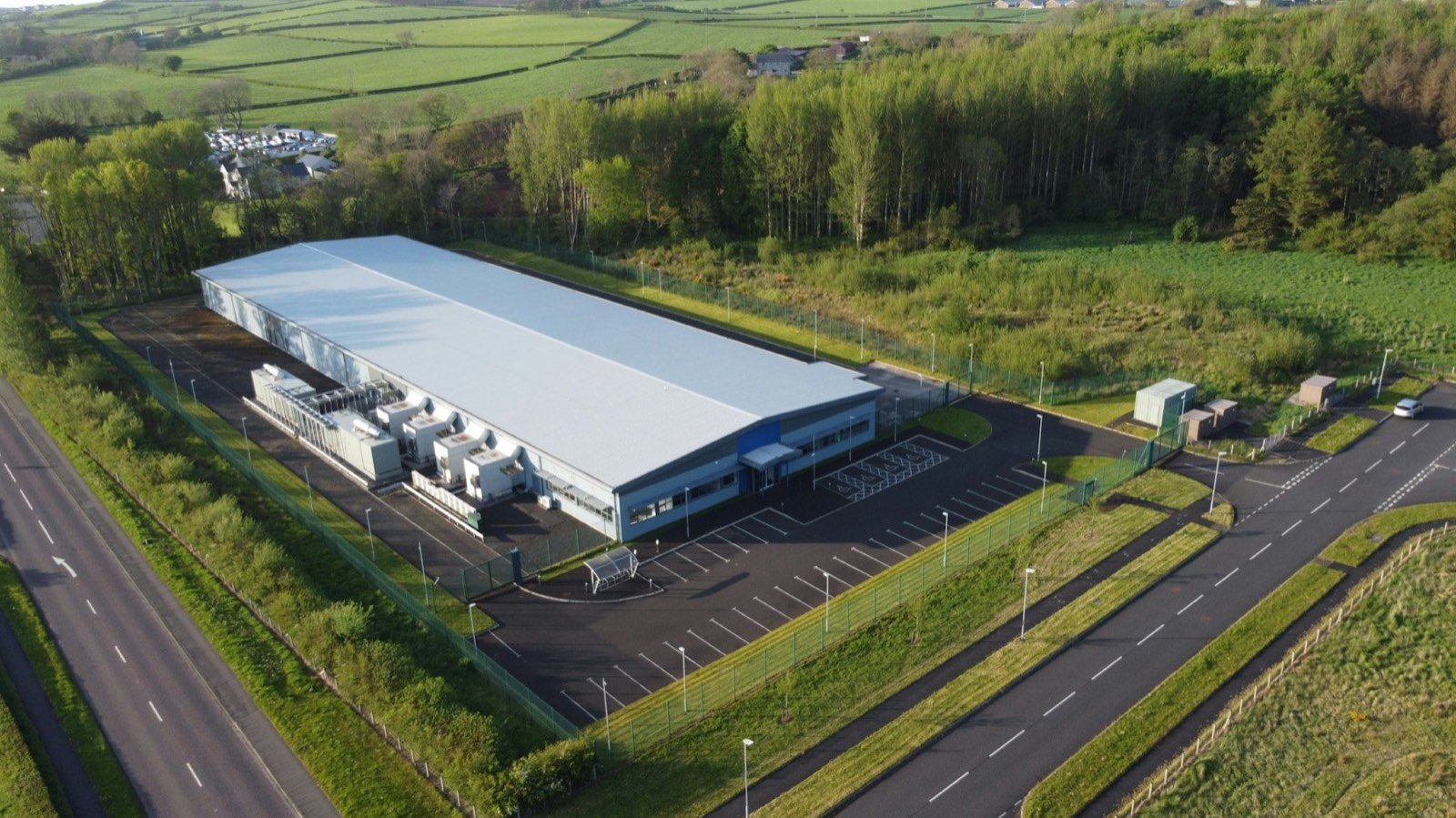
Aerial view of a large industrial building and campus surrounded by open land.
Photo: Geoffrey Moffett / Unsplash

Who it’s for

  • Developers assembling sites with existing or planned power capacity
  • Landowners with utility agreements or studies in progress
  • Sponsors building powered shells or turnkey facilities for hyperscale, colocation or enterprise users

Typical use cases

  • Land acquisition and pre-development (entitlements, studies, utility deposits)
  • Powered land financing secured by sites with utility commitments
  • Construction of powered shell or turnkey data center facilities
  • Bridge financing ahead of a lease, joint venture or sale

Indicative parameters

Indicative, varies by lender
Loan size
$10M – $250M+
Land and pre-development leverage
Typically lower — commonly 40–60% of land value or cost
Construction leverage
Driven heavily by pre-leasing and tenant credit
Term
Commonly 12–36 months for land and pre-development; construction terms follow the delivery schedule
Structure
Often bespoke; varies widely by lender and by deal

Indicative only, varies by lender. All figures are general market ranges, not quotes, offers or commitments. Actual terms depend on the asset, sponsor, market and lender underwriting.

What lenders look for

  • Power: status of utility agreements, committed capacity and energization timeline
  • Demand: tenant letters of intent, signed leases and tenant credit
  • Site fundamentals: zoning, fiber, water and land use
  • A capable development team and partners with relevant experience
  • A credible exit through lease-up, sale or long-term financing

Documents we need

  • Site information, survey and title summary
  • Utility and power agreements, or study results and correspondence
  • Zoning and entitlement status
  • Tenant letters of intent or leases
  • Development budget and schedule
  • Financial model
  • Sponsor and development team profile

Don’t have everything yet? Submit what you have and we will tell you what matters most.

Mezzanine · Preferred equity

Structured capital

Mezzanine debt and preferred equity to fill the gap between senior debt and sponsor equity — for acquisitions, developments and recapitalizations.

Important

Mezzanine and preferred equity are arranged only through licensed broker-dealer partners. Eniji Lending does not raise equity, sell securities or act as a broker-dealer. Where a transaction involves securities, it is handled by a licensed broker-dealer partner under that firm's own engagement terms and disclosures.
Layered concrete steps seen from above, forming stacked horizontal bands of light and shadow.
Photo: Andrej Lišakov / Unsplash

An illustrative capital stack

Indicative, varies by lender

  • Sponsor equity: The first-loss position. Your capital.
  • Preferred equity: Commonly to ~80–90% combined. Via broker-dealer partners.
  • Mezzanine: Commonly to ~75–85% combined. Via broker-dealer partners.
  • Senior loan: Commonly up to 55–75% of cost. Arranged by Eniji.
Illustrative only. Actual structures, leverage and pricing depend on the asset, sponsor, market and lender underwriting. Mezzanine and preferred equity are arranged only through licensed broker-dealer partners.

Who it’s for

  • Sponsors whose senior loan leaves a gap in the capital stack
  • Developers seeking to reduce their equity requirement
  • Owners recapitalizing an over-leveraged or stalled asset

Typical use cases

  • Gap financing behind a senior construction or bridge loan
  • Recapitalizations and partner buyouts
  • Rescue capital where the senior loan needs to be rebalanced

Indicative parameters

Indicative, varies by lender
Position
Subordinate to the senior loan — mezzanine is typically secured by a pledge of ownership interests; preferred equity sits within the ownership structure
Combined leverage
Commonly up to 80–90% of cost or value, including the senior loan
Term
Generally aligned with the senior loan
Pricing
Higher than senior debt, reflecting subordinate risk; may include profit participation

Indicative only, varies by lender. All figures are general market ranges, not quotes, offers or commitments. Actual terms depend on the asset, sponsor, market and lender underwriting.

What lenders look for

  • Compatibility with the senior lender and a workable intercreditor arrangement
  • Meaningful sponsor equity remaining in the deal
  • Downside protection and a credible business plan
  • A clear path to repayment or redemption

Documents we need

  • Full capital stack and senior loan term sheet
  • Business plan and pro forma
  • Sponsor resume, schedule of real estate owned and financial statements

Don’t have everything yet? Submit what you have and we will tell you what matters most.

Preparation

What a lender-ready package looks like

Lenders move fastest on deals that answer their questions before they ask them. We build this package with you; you do not need every item before you contact us.

  • Executive summary: the asset, the business plan and the request in two pages
  • Sources and uses showing every dollar in and out
  • Sponsor resume and track-record schedule
  • Schedule of real estate owned and personal financial statements for guarantors
  • Trailing 12-month operating statement and current rent roll
  • Pro forma with clearly stated assumptions
  • Construction budget, schedule and contractor information (development deals)
  • Purchase contract or existing loan documents
  • Available third-party reports: appraisal, property condition, Phase I environmental
  • Ownership and entity organization chart
  • Market overview with rent and sales comparables
  • Photographs, site plan and location map

Our process

From first look to funding

  1. Step 1: Intake

    Submit your deal through our confidential form or by email. Ask for an NDA first if you prefer.

  2. Step 2: Screening

    Within 48 business hours

    Within 48 business hours we tell you whether and how we can help, which lender categories we would approach and any gaps to close first.

  3. Step 3: Package

    Terms agreed in writing

    We build the lender-ready package with you: narrative, underwriting model, sponsor profile and supporting documents. Our engagement terms, including our fee at closing, are agreed in writing at this stage.

  4. Step 4: Lender outreach

    With your approval of the list, we approach a targeted group of lenders across the relevant categories and manage their questions, calls and site visits.

  5. Step 5: Term sheets

    You choose

    We compare term sheets side by side — proceeds, pricing, structure, recourse, fees, prepayment and extension tests — and negotiate on your behalf. You choose.

  6. Step 6: Closing

    Our fee is paid here

    We coordinate the lender's underwriting, third-party reports and legal process through to funding. Our fee is paid at closing.

Markets we serve

Where we work

Eniji Capital Markets arranges financing for commercial real estate in the United States. Tell us where the property is and we will confirm coverage in our initial review.

Availability of each product varies by state and is subject to applicable law and lender appetite.

Insights

Guides for sponsors

How lenders look at each type of deal, and how to prepare yours.

All guides

FAQ

Questions sponsors ask us

How are you paid?

No upfront fees. We are paid at closing. Our fee is set out in a written engagement agreement before we approach any lender and is normally paid from loan proceeds at closing. In some transactions a lender may also compensate us; where that happens, we disclose it to you in writing.

Do I pay anything before closing?

Not to us. Lenders and third parties may require their own deposits or costs — for example appraisals, environmental and property condition reports, or lender's legal fees. We tell you about these before you agree to them, and they are paid to those parties, not to Eniji.

How quickly will I hear back?

Within 48 business hours of receiving your submission, you will hear from us with an initial view: whether we can help, the lender categories we would approach and anything we need from you. Our Cape Town desk picks up deals sent after the US close at the start of its working day, before the next US business day begins.

How long does it take to close?

It depends on the loan type, the lender and how quickly third-party reports and legal work can be completed. Bridge loans generally close faster than construction loans. Once we have lender feedback, we give you an indicative timeline — but the lender, not Eniji, controls final approval and timing.

Will my deal be kept confidential?

Yes. We share deal materials with lenders only with your approval, and we will sign a non-disclosure agreement before you send documents if you ask. You can request an NDA directly on our deal submission form.

Can you get me a non-recourse loan?

Sometimes. Non-recourse debt — where the lender relies on the property, subject to standard "bad-boy" carve-outs — is common for stabilized and many transitional assets. Construction and higher-risk plans usually involve completion, carry or partial repayment guarantees. We tell you early which structures are realistic for your deal and negotiate the guarantee package as part of the process.

What is your minimum deal size?

Eniji Capital Markets works on loans from $10M to $250M+. For smaller investor loans — DSCR rental, fix-and-flip, small bridge and portfolio refinance — see Eniji Investor Lending.

How much sponsor experience do lenders expect?

It varies by lender and by deal. Lenders want to see experience that matches the business plan: a first ground-up development is judged differently from a fifth. Less experienced sponsors can often strengthen a deal with an experienced partner, a proven general contractor or more equity. We will tell you honestly how lenders are likely to view your track record.

Which states do you cover?

We work on US commercial real estate and confirm coverage for each deal in our initial review. Availability varies by state and is subject to applicable law and lender appetite.

Are you a lender? Do you raise equity?

No to both. Eniji Lending is a debt advisor and broker. All financing is provided by third-party lenders and is subject to their underwriting. Mezzanine and preferred equity are arranged only through licensed broker-dealer partners; we do not raise equity or sell securities ourselves.

Ready for a second opinion on your capital stack?

Send us the deal. You will hear back within 48 business hours.

No upfront fees. We are paid at closing.