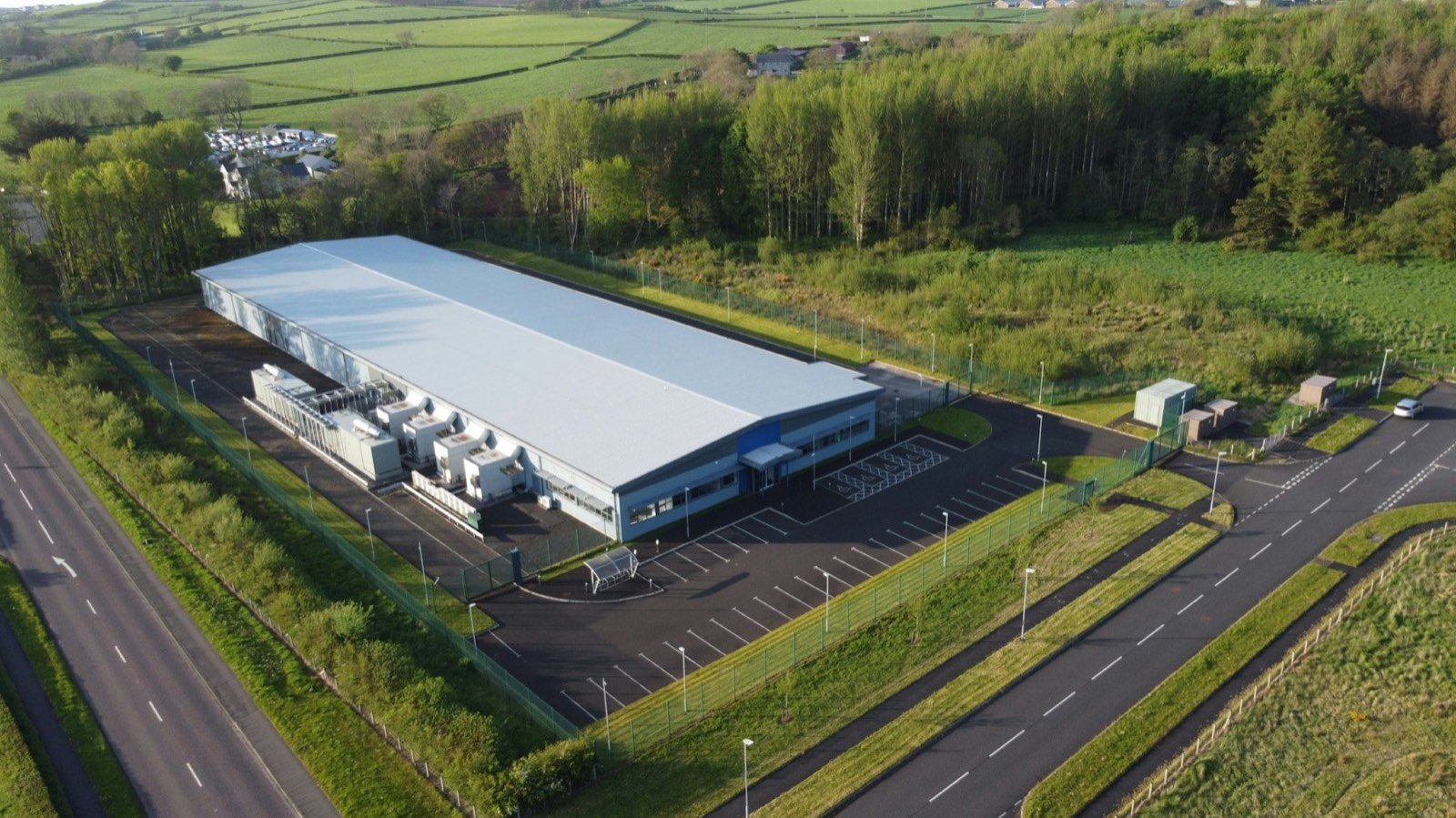
Demand for data center capacity has turned power-ready land into one of the most sought-after assets in commercial real estate. It has also created a financing market that works differently from most property types. Lenders in this space care less about the building and more about one question: can this site deliver reliable power, on schedule, to a tenant who will pay for it?
Power comes first
For powered land and data center development, the utility relationship is the asset. Lenders will want to understand:
- Capacity: how many megawatts are available or committed to the site, and when.
- Contracts and studies: the status of utility agreements, interconnection or load studies, and any required substation or transmission upgrades.
- Who pays for upgrades, and what happens if the utility's timeline slips.
- Redundancy and resilience, including fiber connectivity and water where cooling design requires it.
A site with a signed power agreement and a credible delivery date is a fundamentally different credit from a site with an application in a queue.
The tenant story
Lenders size data center construction debt heavily around leasing. Pre-leasing to a creditworthy hyperscale or enterprise tenant can open up much more leverage and many more lenders. A speculative build can still be financed, but usually with lower leverage, more equity and a narrower lender pool.
Expect lenders to look at the lease term, the tenant's credit, the rent structure and who bears the cost of power and fit-out.
Financing by stage
Data center projects are usually financed in stages, and each stage attracts different capital:
- Land and pre-development. Acquiring land and advancing power, entitlements and design. Leverage is typically lower and lenders lean on land value, sponsor strength and progress on power.
- Construction. Building the shell and, often, the critical power and cooling infrastructure. Leasing drives sizing.
- Stabilization and refinance. Once leased and operating, the asset can be refinanced with longer-term debt.
Some lenders will provide a single facility across stages; others specialize in one. Structure varies widely by lender and by deal.
What a strong submission includes
- Site plan, land control and zoning status.
- Power documentation: utility correspondence, studies, agreements and the delivery schedule.
- Development budget and timeline, split between land, infrastructure and vertical construction.
- Leasing status: signed leases, letters of intent or the target tenant profile.
- Sponsor experience in data center or mission-critical development, and the delivery partners involved.
- The full capital stack and the exit plan.
Working with the right lenders
Data center financing draws on banks, debt funds, infrastructure investors and private credit, each with different appetites for power risk, leasing risk and construction risk. Matching the deal to the right group matters more here than in almost any other asset class.
If you control power-ready land or are developing data center capacity, tell us about the project. We will give you an honest view of how lenders are likely to approach it.
Frequently asked questions
What do lenders look for in a powered land deal?
Lenders focus on the power available to the site: capacity in megawatts, the status of utility agreements and studies, required upgrades, who pays for them and when power will be delivered. Land control, zoning, sponsor experience and the path to a tenant also matter.
Can a speculative data center be financed?
It can, but usually with lower leverage, more sponsor equity and a narrower group of lenders than a project with a signed lease to a creditworthy tenant.
How are data center projects usually financed?
Often in stages: land and pre-development financing while power and entitlements are advanced, construction financing sized largely around leasing, and longer-term debt once the facility is leased and operating. Some lenders finance several stages under one facility.
This article is general information, not legal, tax or investment advice, and not an offer or commitment to lend. Eniji Lending is not a lender. Loan terms, leverage and pricing are indicative, vary by lender and change with market conditions; all financing is subject to lender underwriting.